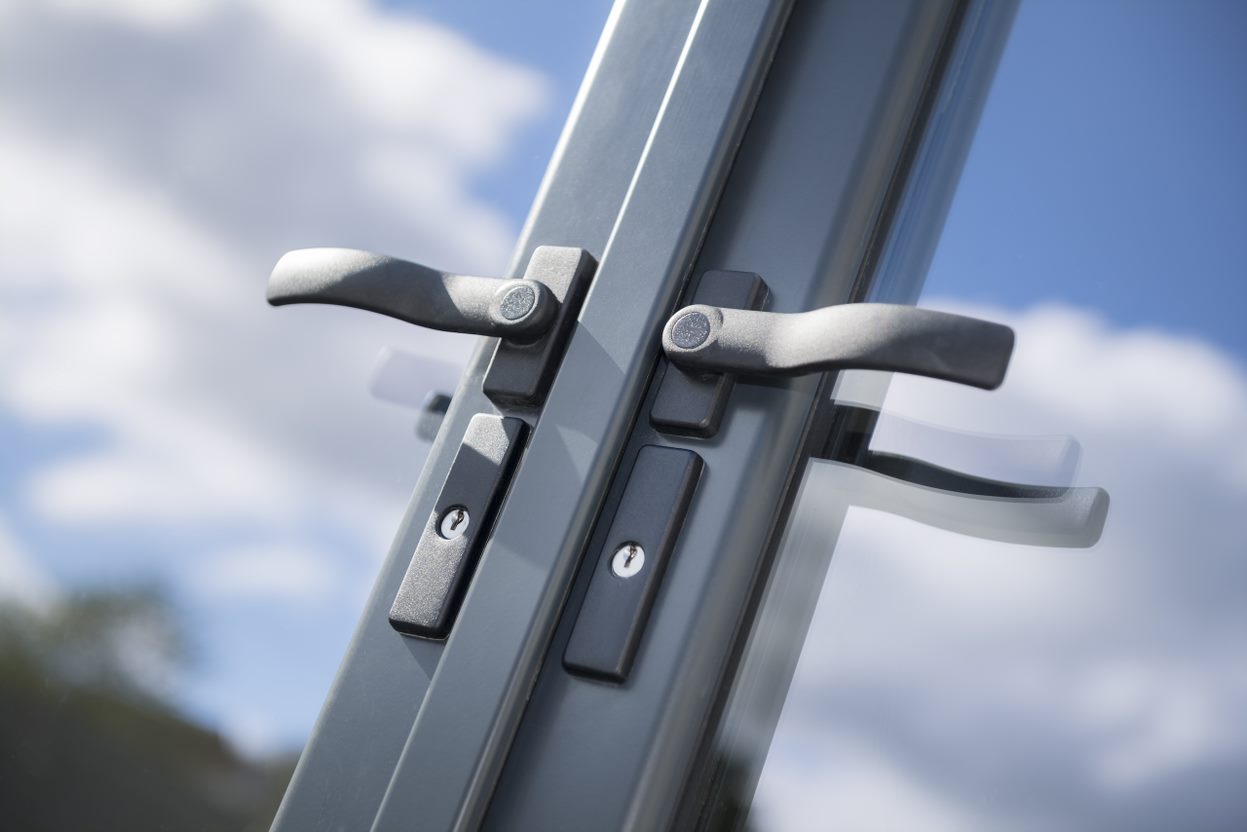
Speak “Yes” To These 5 How To Repair Door Handles Tips
How To Repair Door Handles: A Step-by-Step Guide
Door handles are among the most often used components in any office or home. Being such an essential component of daily activities, it's not a surprise that they can experience wear and tear gradually. A malfunctioning door handle not just hampers the ease of access however can also compromise security and aesthetic appeal. Luckily, many fundamental repairs can be undertaken effortlessly without professional support. door handle replacement supplies a thorough guide on how to repair door handles efficiently.
Common Problems with Door Handles
Before starting the repair, it is necessary to determine the common issues associated with door handles. Here are a number of normal problems:
- Loose Handles: Over time, screws can loosen, causing handles to wobble or become removed.
- Sticking Mechanism: A door handle might become difficult to operate due to dirt build-up or corrosion.
- Broken Springs: Internal springs can break, resulting in non-functionality.
- Cosmetic Damage: Paint, scratches, or rust can affect the total look of a door handle.
Tools and Materials Needed
Before beginning the repair procedure, collect the following tools and materials:
- Screwdriver (flathead and Phillips)
- Pliers
- Replacement screws or parts (if applicable)
- Lubricant (WD-40 or comparable)
- Cleaning cloth
- Sandpaper (if required)
- Paint or metal polish (for cosmetic repairs)
Step-by-Step Repair Process
Action 1: Diagnosis
Start by figuring out the precise issue with the door handle. Is it loose? Sticking? Examine by controling the handle and observing any irregularities. Identifying the problem will dictate the needed repairs.
Action 2: Gather Tools
When the issue is recognized, assemble the needed tools and products. This will ensure a smooth repair process.
Action 3: Remove the Handle
To repair or change the door handle, you'll often require to remove it initially:
- Locate the screws: Examine the handle for screws, typically found on the underside or side.
- Loosen the handle: Using the appropriate screwdriver, carefully get rid of the screws and remove the handle. If you encounter difficulty unscrewing, use a penetrating oil to loosen any rust or grime.
Step 4: Clean the Mechanism
Before making repairs, it is essential to clean up the area:
- Dust and debris removal: Use a tidy fabric to wipe away dust and dirt.
- Usage lube: For sticking handles, use a lube to the mechanism, guaranteeing it penetrates well.
Step 5: Tighten or Replace Screws
If the problem includes a loose handle, tightening up the screws may be enough:
- Tightening screws: Using the screwdriver, tighten any loose screws securely.
- Replacing screws: If screws are stripped or harmed, change them with new ones to guarantee a safe fit.
Action 6: Repair or Replace Springs
For broken internal springs, the repair might include a bit more effort:
- Inspect the springs: Check if any springs are broken or misaligned.
- Change if essential: If springs can not be fixed, remove them and change with brand-new ones.
Step 7: Reassemble the Handle
After the repairs are completed, it's time to put everything back in order:
- Align the handle: Position the handle back in location.
- Protect with screws: Insert and tighten the screws.
Step 8: Cosmetic Enhancements
If the handle has cosmetic damage, consider the following:
- Sanding: If there are rough areas, use sandpaper to smooth them down.
- Painting or polishing: Apply paint or metal polish to boost its appearance.
Step 9: Test the Handle
After reassembly, test the handle to guarantee it runs smoothly:
- Operation check: Open and close the door several times to validate the right performance.
- Evaluate stability: Ensure that everything is tight and safe.
When to Call a Professional
While minor repairs can generally be taken on in your home, in some cases the damage may be beyond an easy fix. Consider getting in touch with a professional if:
- The whole handle requirements replacement due to serious damage.
- Internal components are too made complex to repair safely.
- There are issues with the door's alignment affecting the handle's performance.
Frequently Asked Questions About Door Handle Repair
Q: How frequently should I inspect my door handles?
A: It's a great practice to examine door handles every 6 months to a year to guarantee they are functioning properly.
Q: Can I repair a dinged up handle myself?
A: Yes, minor dents can frequently be carefully pushed out utilizing specialized tools and even plastic hammers.
Q: What should I do if the door handle is stuck?
A: If a handle is stuck, attempt using a lubricant to loosen it and examine for any internal damage.
Q: Are there any unique tools needed for door handle repair?
A: Most basic repairs can be made with basic tools such as screwdrivers and pliers. However, complex issues might need specialized tools.
Fixing door handles is a manageable job that homeowners can easily carry out with a little time and effort. By determining common problems, utilizing the right tools, and following a methodical repair procedure, you can restore your door handles to their complete functionality. Not only does this improve your home's security and accessibility, however it also adds to its general aesthetic appeal. However, do not think twice to call a professional when faced with intractable challenges. For most common issues, a DIY technique will suffice, making door handle repair both a useful and fulfilling endeavor.